
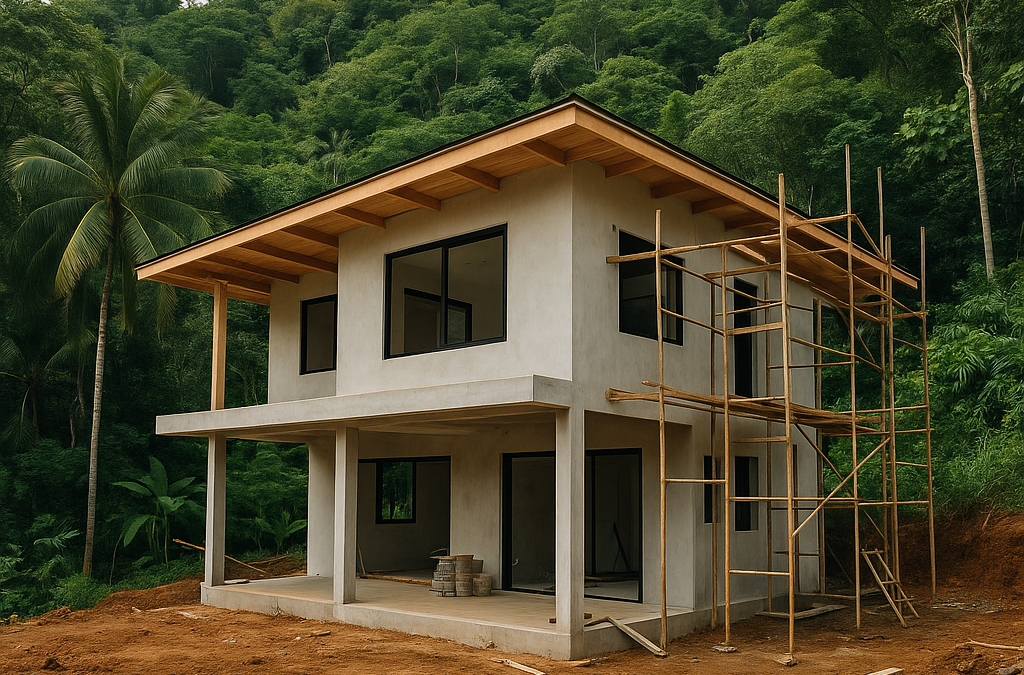
Santa Teresa, Costa Rica, has become a hotspot for expats looking for a slice of paradise. With its world-class surf breaks, lush jungle surroundings, and growing international community, it’s no wonder buyers from around the globe are drawn to this small coastal town.
But buying property in Santa Teresa as a foreigner isn’t as simple as signing a contract and moving in. Between legal complexities, zoning regulations, and cultural differences, there are critical steps to follow if you want a smooth transaction and a secure investment.
This guide covers everything you need to know before buying property in Santa Teresa—including the legal process, key challenges, and insider tips to protect your investment.
1. Can Foreigners Own Property in Santa Teresa?
The good news: foreigners have the same rights as Costa Rican citizens when it comes to owning titled property. You don’t need residency or citizenship to buy land or a house in Costa Rica.
But there’s an exception—properties within the Maritime Zone (Zona Marítimo Terrestre).
The Maritime Zone includes all land within 200 meters of the high tide line.
The first 50 meters are public property—no one can own it or build on it.
The next 150 meters is concession land, which isn’t owned outright but leased from the local municipality for a period (often 20 years).
Foreigners cannot directly own concession land unless they have been legal residents in Costa Rica for at least 5 years. However, they may hold up to 49% of the shares in a Costa Rican corporation (S.A. or S.R.L.) that holds the concession.
If you’re looking at beachfront property, check carefully whether it’s titled land (rare) or concession land (common in Santa Teresa).
2. Finding the Right Property: Work With Local Experts
Santa Teresa’s property market is competitive, with prices rising as more expats and investors move in. This makes it even more important to have trusted local experts on your side.
Choose a Reputable Real Estate Agent
Many agents in Costa Rica are unlicensed, as there’s no government-mandated certification.
Look for agents affiliated with CRGAR (Costa Rica Global Association of Realtors) or CILA (Confederation of Latin American Realtors).
Ask for references from past foreign clients, especially those who purchased in Santa Teresa or nearby areas like Mal País and Playa Hermosa.
Hire a Local Attorney Specializing in Real Estate
Your attorney should conduct a title search (estudio registral) at the National Registry (Registro Nacional) to confirm ownership, liens, or encumbrances.
They should also verify zoning (uso de suelo), water availability (key in Santa Teresa), and building restrictions.
3. Key Steps in the Buying Process
Buying property in Costa Rica follows a specific legal process. Here’s what to expect:
a) Offer and Negotiation
Once you find a property, you’ll submit a written offer through your agent. Negotiations may take some time, especially if the seller is foreign or the property has been on the market a while.
b) Due Diligence Period
After the seller accepts your offer, your attorney will begin due diligence:
Title check: Ensure the property is free of liens, mortgages, or disputes.
Survey (plano catastrado): Verify boundaries and size match the National Registry.
Zoning check: Confirm intended use (residential, commercial, etc.) is permitted.
Water rights: Essential in Santa Teresa, where water availability can limit construction. Your lawyer should verify an AyA letter (water utility approval) or a legal registered well.
c) Escrow Account and Deposit
All funds should go through a licensed escrow company (SUGEF-registered). Never pay money directly to the seller. Standard deposits are 10% of the purchase price.
d) Closing and Transfer
At closing, you’ll sign a transfer deed (escritura pública) before a Costa Rican notary public. The notary registers the deed with the National Registry.
4. Understanding Costs and Taxes
Buying property comes with additional costs beyond the purchase price:
Property Transfer Tax: 1.5% of the declared property value
Legal Fees: Around 1-1.25% of the property value (plus VAT)
Escrow Fees: Varies; usually shared between buyer and seller
Registration Fees and Stamps: Approximately 0.8%
After purchase, property taxes in Costa Rica are low by international standards:
Annual property tax: 0.25% of the registered value
Luxury home tax (if applicable): Additional tax for homes valued above a certain threshold (~$250,000 USD)
5. Key Challenges for Buyers in Santa Teresa
Limited Infrastructure
Santa Teresa’s infrastructure is developing but still lacks the reliability found in urban areas. Be prepared for:
Dusty or muddy roads depending on the season
Power outages
Limited public water supply (verify water access carefully)
Rising Prices
Property values in Santa Teresa have risen sharply in the past decade due to demand from expats and investors. Bargains are rare, so focus on value and location rather than rock-bottom prices.
Building Restrictions
If you plan to build:
Check setbacks and height restrictions under local zoning laws.
Know that construction costs in Santa Teresa can range from $1,200 to $2,000 per square meter, depending on finishes and access.
6. Tips for a Safe Purchase
✅ Don’t skip due diligence. Title issues are not uncommon in rural Costa Rica.
✅ Avoid “handshake deals.” Everything must be documented and registered.
✅ Be wary of too-good-to-be-true offers. If beachfront land is cheap, it may be concession land with restrictions.
✅ Think long-term. Santa Teresa’s growth is steady, but infrastructure improvements can take time.
7. Why Santa Teresa?
Despite the challenges, Santa Teresa offers:
🌊 Stunning beaches and world-class surf
🌿 Vibrant expat community and yoga culture
☀️ Tropical climate with warm weather year-round
💰 Solid investment potential as tourism grows
For expats seeking a laid-back lifestyle with strong community ties, Santa Teresa remains one of Costa Rica’s most appealing destinations.
Final Thoughts
Buying property in Santa Teresa can be a smart investment and a life-changing decision—but only if done carefully. Work with trusted local experts, understand the legal landscape, and take the time to do your homework.
If you’re serious about purchasing in Santa Teresa, we can help you connect with reputable attorneys, architects, and contractors who specialize in guiding expats through the process.
Click here for more information on buying and building a home in Costa Rica,
📞 [Call us today for a consultation and take the first step toward your dream home in Santa Teresa.]